Merton Council van permits: parking rules for movers
Posted on 22/06/2026
If you are planning a move in Merton, the parking part can be the bit that quietly causes the most stress. The sofa is ready, boxes are stacked, and the van is booked - then someone asks, "Do we need a permit for this street?" That's exactly where understanding Merton Council van permits: parking rules for movers saves time, money, and a lot of awkward last-minute phone calls.
This guide explains the basics in plain English: when a van permit may be needed, why parking restrictions matter during a house or flat move, how movers usually approach it, and what to check before moving day. It also includes practical steps, common mistakes, and a realistic checklist so you can keep things moving without drama. Let's face it, moving day already has enough chaos without adding a parking ticket into the mix.

Why Merton Council van permits: parking rules for movers Matters
Parking is not just a convenience issue on moving day. In many parts of London, including Merton, it can determine whether the move starts smoothly or turns into a slow, frustrating shuffle of loading, double-parking, and carrying heavy furniture half a street away. A moving van needs space, time, and ideally a legal place to stop. Without that, every box takes longer to load, and every minute starts feeling like a clock ticking in your ear.
For movers, the risk is simple: if the van stops in the wrong place, the driver may face penalties or be forced to move the vehicle at exactly the wrong moment. That can disrupt the whole schedule. For the customer, it can mean extra labour, more walking distance, and a move that takes longer than expected. If you are dealing with a tight staircase, a fourth-floor flat, or a road with limited bays, the difference is huge. You notice it immediately.
There is also the neighbour factor. A van parked badly can block driveways, narrow junctions, or resident access. Nobody wants a complaint before lunch. And if your move is in a busy part of the borough, these small details matter even more. Good parking planning is one of those unglamorous things that makes a move feel calm instead of chaotic.
That's why people often pair parking planning with broader move planning. If you are comparing service levels, a solid removal services overview in Merton can help you think about access, loading time, and practical support as one package rather than separate headaches.
How Merton Council van permits: parking rules for movers Works
The exact process depends on the street, the type of bay, and any local restrictions in force at the time of your move. In simple terms, the question is whether your van can legally stop close enough to the property for loading and unloading. If there are restrictions, movers may need to plan around them, use a designated bay, or arrange permission where that is allowed.
For most home moves, the practical workflow looks like this:
- Check the street outside the property and nearby roads for loading restrictions, resident-only bays, yellow lines, or timed controls.
- Estimate how long the van will need to stop for loading and unloading.
- Decide whether the moving vehicle can use an existing legal bay or whether a permit or suspension-style arrangement may be necessary.
- Build in extra time for access issues, such as narrow roads, traffic, or a long carry distance from the van to the front door.
- Keep the driver informed so they can position the van as legally and safely as possible on arrival.
That may sound obvious, but in real life a lot of moving delays happen because people assume the van can just "pull up outside for a bit." In some streets it can. In others, not even close. A van is larger than a car, and what looks fine for a quick stop often is not fine for an hour of loading. Parking rules, bay types, and access space all affect the plan.
If your move involves a flat with awkward access, stairs, or a building entrance set back from the road, you may find it helpful to think beyond parking and look at the full logistics. For example, our flat removals support in Merton is the kind of service that makes sense when street access and building access both need careful handling.
One thing to keep in mind: not every move needs a formal permit, and not every street is equally restricted. That's why the best approach is to assess the actual location rather than rely on guesswork. Truth be told, guesswork is where parking tickets are born.
Key Benefits and Practical Advantages
Sorting the parking side of a move properly does more than avoid fines. It makes the whole day more manageable. The benefits are practical, immediate, and easy to feel once the move is underway.
- Less delay: The van can get in and out faster when the stopping point has been thought through.
- Safer handling: Shorter carrying distances reduce strain and lower the chance of damage.
- Better schedule control: Movers can work to a clearer timetable when parking is settled early.
- Lower stress: You are not improvising at the kerbside while boxes wait on the pavement.
- Fewer disputes: Clear planning helps prevent neighbour complaints and avoidable parking issues.
There is also a subtle quality-of-service benefit. A move feels more professional when the van arrives, parks sensibly, and the team gets straight to work. That calm start matters. It sets the tone for the rest of the day. If you've ever watched a moving team spend ten minutes circling a block while someone runs downstairs with a phone held to their ear, you'll know the difference.
For customers who value predictable timing, especially during busy periods or last-minute moves, this is where services such as same-day removals in Merton can be useful - not because they magically remove parking limits, but because the team is usually used to working under time pressure and planning accordingly.
And if you are comparing movers, remember that the cheapest quote is not always the smartest one when parking is difficult. A slightly higher quote that factors in access, timing, and route planning can actually be better value. That is just how it goes sometimes.
Who This Is For and When It Makes Sense
This topic matters for anyone moving into or out of an address where stopping space is limited, monitored, or shared. That includes a lot of Merton, from busy residential streets to flatter blocks and roads where parking is already at a premium. If you are moving a small studio, a family home, or office furniture, the underlying issue is the same: can the van stop where it needs to stop?
You will especially want to think about permits and parking rules if you are:
- moving from a flat on a street with resident parking only
- using a large removal van rather than a small car-sized vehicle
- moving on a weekday when restrictions are more active
- working around school runs, commuters, or delivery traffic
- dealing with limited curb space or a narrow one-way road
- moving heavy items like wardrobes, pianos, or solid furniture
For student moves, parking is often underestimated because the load is smaller, but the roads can still be tight and the turnarounds quick. If that sounds familiar, take a look at student removals in Merton and you'll see why even a small move can benefit from proper access planning.
Office moves are another case where parking planning really matters. Offices tend to have more items, more coordination, and less patience for delays. A well-planned stop outside the building can save a surprising amount of time, especially if there are lifts, loading doors, or timed building access to work around. For that, office removals in Merton often need a tighter logistical approach than people expect.
Step-by-Step Guidance
Here is a straightforward way to handle van parking for a move in Merton without overcomplicating it.
- Start with the property address. Check the exact road, not just the neighbourhood. Two streets side by side can have completely different restrictions.
- Look at the real stopping point. Where would the van actually stand? Outside the front door, round the corner, in a bay, or only briefly on a loading area?
- Estimate the move duration. A one-bedroom flat and a four-bedroom house are not the same thing. Be realistic.
- Think about vehicle size. A larger van may not fit where a smaller one could. Turning room matters too.
- Plan for building access. Stairs, stairwells, lifts, and distance from kerb to doorway all affect time.
- Check whether additional permission is needed. If the street uses controlled bays or restricted loading, this may change how you schedule the move.
- Confirm the plan with the mover. The driver should know where to park, where the entrance is, and whether there are any access quirks.
- Have a fallback option. A second legal stopping point nearby can save the day if the first choice is occupied.
One small but important detail: on the day, have someone available to help direct the van if the street is busy. Even two minutes of clear guidance can save a lot of circling. And when the weather is doing classic London things - damp, grey, and a bit annoying - that two minutes feels even longer.
If you need help with packing before the move, having the right boxes and materials matters too. Proper packing can cut the number of trips to and from the van, which makes parking rules easier to live with. A sensible place to start is packing and boxes in Merton.
Expert Tips for Better Results
A few practical habits make parking and loading smoother straight away.
- Book earlier in the day if possible. Mid-morning often gives you a better balance between traffic and available space than peak commuter times.
- Use a concise address note. Add flat number, entry code, and any gate or concierge details so the driver does not waste time at arrival.
- Pre-stage boxes safely. Get non-essential items near the exit so the load sequence flows naturally.
- Keep walkways clear. It sounds obvious, but hallways and communal areas can become bottlenecks fast.
- Use one person to coordinate. Too many voices at the kerb can slow everything down.
Another useful tip: if the road is consistently busy, choose a mover who is comfortable with local traffic and residential loading patterns. Experience counts here. A driver who knows how to approach a tight street is worth their weight in bubble wrap, to be fair.
If you are unsure whether your move is best handled as a standard job or with extra planning, the broader overview on removal services in Merton can help you compare what kind of support fits your situation.
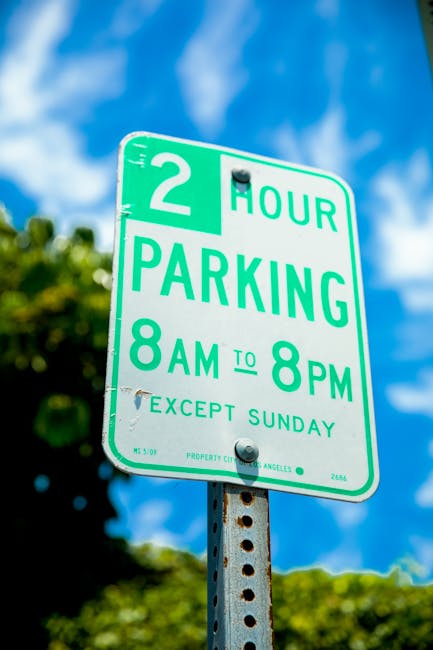
Common Mistakes to Avoid
Most parking problems during moves come from a few repeat mistakes. The good news is that they are avoidable.
- Assuming car parking rules apply to vans. They often do not. A van can face different restrictions, even on the same street.
- Leaving parking checks until moving day. By then, you have no room to adjust.
- Forgetting about bay times. A bay that is fine at 10 a.m. may be unusable later.
- Not checking for events or roadworks. Temporary restrictions can upend the best-laid plan.
- Underestimating how long loading takes. Especially with stairs, bulky furniture, or poor lift access.
- Blocking neighbours out of habit. It is rarely worth the tension.
One subtle mistake is not accounting for what happens after unloading starts. The van may need to stay parked while more items are brought out. If that spot is only meant for short stops, you can run into trouble halfway through. That is why "just a quick stop" can be a risky phrase in moving work.
If your move includes furniture that needs careful handling, parking becomes even more important because heavy items take longer to carry and position. You may want to read more about furniture removals in Merton if that sounds like your day.
Tools, Resources and Recommendations
You do not need a complicated toolkit, but a few practical tools make life easier.
- Address notes: Keep the exact property details, access codes, and floor information in one place.
- Floor plan or room list: Helpful if the mover needs to prioritise certain items first.
- Boxes marked by room: Speeds unloading and reduces carrying time from van to door.
- Phone contact for the driver: Useful if the van needs to reposition quickly.
- Time buffer: A little extra time protects you from the sort of delays that happen when parking is tighter than expected.
As for recommendations, the best one is simple: treat parking as part of the move, not a side issue. If the property is awkward, mention it early. If there is a concierge, tell the mover. If the road is narrow, say so. That kind of honesty saves everyone hassle.
For people planning a larger move or looking at longer-term storage during a transition, it may also help to review storage options in Merton. Sometimes the smartest solution is not trying to do everything in one rush.
Law, Compliance, Standards, or Best Practice
This is the part where careful language matters. Parking and loading rules are governed by local restrictions, traffic regulation, and the practical conditions of each street. Rather than assuming a general rule will apply, movers should always check the specific location and behave conservatively when stopping on the road. In plain terms: if a stop looks questionable, it probably deserves a second look.
Best practice usually means the following:
- park only where stopping is clearly allowed for the time needed
- avoid blocking access, crossings, driveways, or junction visibility
- keep the loading area safe for pedestrians and neighbours
- follow any instructions on signs, bay markings, or site access arrangements
- work within the mover's own safety procedures for manual handling and vehicle positioning
For moving jobs, compliance is not just about avoiding penalties. It is also about protecting people and property. A van parked too far from the entrance may force longer carries through shared areas. That increases the chance of knocks, slips, or delays. A safer, closer, legal stop is almost always the better professional choice.
If safety is a priority in your move, especially for awkward or valuable items, it is worth reviewing a company's approach to insurance and safety before you book. It's one of those things people forget until they need it. Then it matters a lot.
Options, Methods, or Comparison Table
Different moves need different parking approaches. Here is a simple comparison to help you think it through.
| Approach | Best for | Pros | Limitations |
|---|---|---|---|
| Standard legal roadside stop | Short moves with available curb space | Fast, simple, usually low hassle | Not always available in busy streets |
| Restricted-bay planning | Roads with controlled parking or timed bays | More predictable if planned early | Needs close attention to timing and signage |
| Nearby legal stop and short carry | Tight streets where direct access is difficult | Flexible and often realistic | Longer carrying distance, more labour |
| Coordinated loading plan with access notes | Complex moves, flats, or office removals | Efficient and professional | Depends on good communication and preparation |
There is no perfect one-size-fits-all answer. A compact flat move in a quieter road can be managed very differently from a multi-room house move on a busier stretch. What matters is choosing the method that fits the street, the van, and the load. Simple enough, but often missed.
Case Study or Real-World Example
Picture a couple moving out of a first-floor flat in Merton on a Friday morning. The road has resident parking, a few visitor bays, and decent traffic from school drop-offs. They assumed the van would stop directly outside. It couldn't, not for long. The first attempt would have meant a slow, awkward unload and a likely parking issue.
Instead, the move was adjusted before arrival. The driver used a legal nearby stopping point, the boxes were already labelled by room, and the heavier items were loaded first while the hallway stayed clear. It was not flashy. Nobody clapped. But it worked. The move stayed calm, and the whole thing finished without the usual "where did we put the kettle?" panic.
The practical lesson is straightforward: planning the stop point early turns a potentially messy move into a manageable one. Not perfect. Just manageable. And honestly, that is what most people need on moving day.
Practical Checklist
Use this checklist the day before your move.
- Confirm the exact pickup and drop-off addresses
- Check the road for parking restrictions and loading limits
- Note whether the van can stop directly outside or nearby only
- Share access details, entry codes, and floor information
- Prepare boxes, tape, and labels in advance
- Separate fragile, valuable, and heavy items
- Keep a phone number ready for the driver
- Build in extra time for loading and any parking changes
- Make sure pathways and stairs are clear
- Have a backup parking plan if the first spot is taken
If you are moving out of a property with limited access or you need help clearing the place quickly, the right support can make a big difference. In some cases, removals in Merton is the simplest way to keep the whole job coordinated from start to finish.
Conclusion
Merton Council van permits and parking rules are not the glamorous side of moving, but they are one of the most important. If you get the parking plan right, the rest of the day becomes much easier. If you get it wrong, even a simple move can feel strangely long and tiring.
The best approach is usually the most practical one: check the road, think about the van size, plan the loading time, and communicate clearly with whoever is moving your belongings. That is what keeps things smooth. No magic, no drama - just a sensible plan and a bit of local know-how.
And if you want a move that feels organised rather than improvised, choose support that understands both the street and the job. A good mover takes the parking question seriously before the first box is touched.
Get a free quote today and see how much you can save.
When the van arrives in the right place at the right time, the whole day breathes easier. That's a good feeling, honestly.